
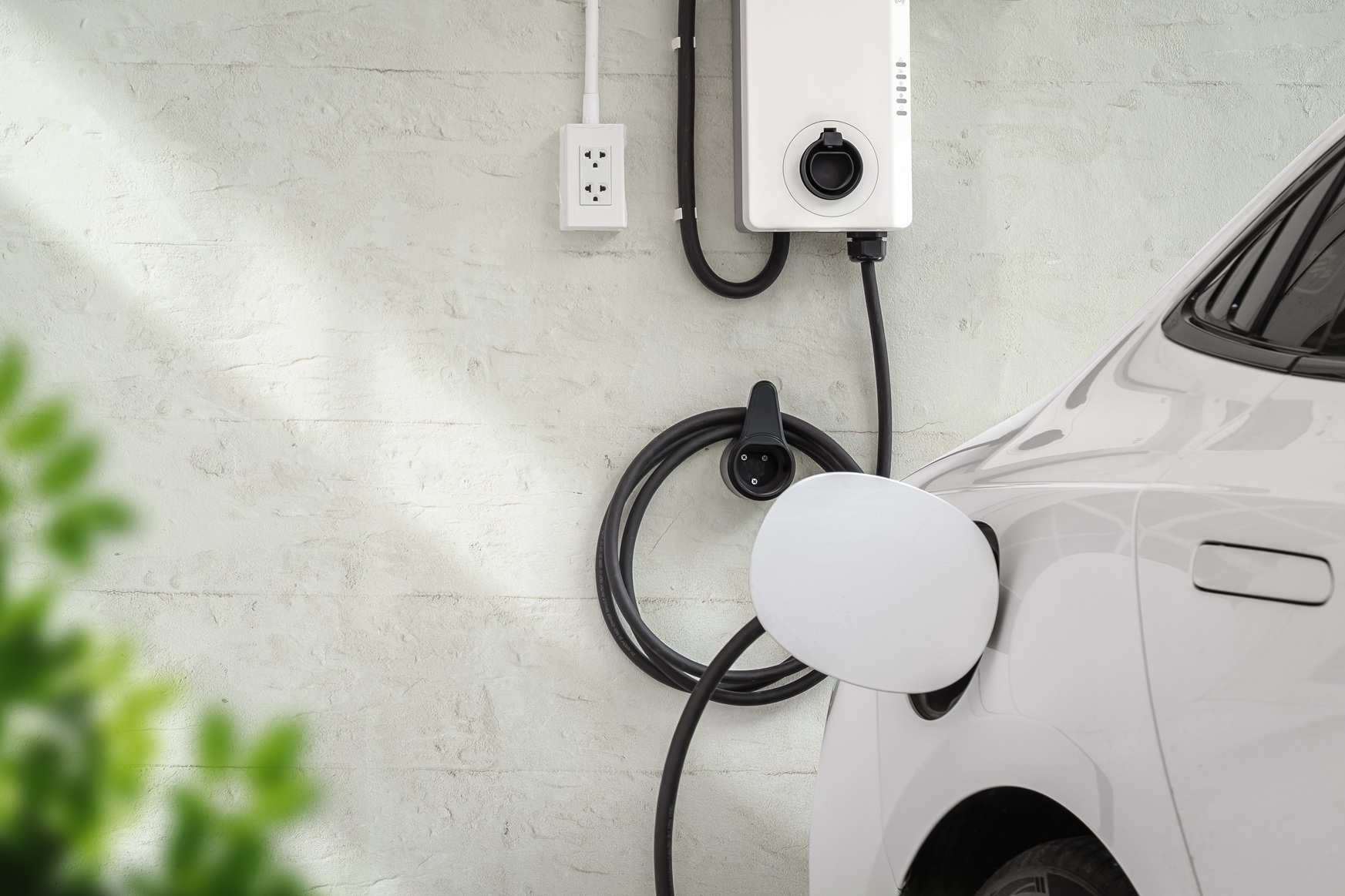
Electric vehicles are becoming a common sight on Illinois roads, and more homeowners are discovering the convenience of charging at home. While purchasing an EV is exciting, many people overlook an important step: making sure their home’s electrical system is ready to support it.
A home EV charger places a significant demand on your electrical system. Preparing in advance helps ensure safe charging, reliable performance, and room for future electrical upgrades. Let’s take a closer look at how to prepare.
Start with an Electrical Panel Evaluation
The first step in preparing for an EV charger is evaluating your home’s electrical panel. Many newer homes already have 200-amp electrical service, which often provides enough capacity for a Level 2 charger. However, older homes may still operate on 100-amp service or have panels that are already close to their maximum load.
A licensed electrician can perform a load calculation to determine whether your existing panel can safely support an EV charger alongside your home’s other electrical demands. If additional capacity is needed, a panel upgrade may be recommended before installation.
Plan for a Dedicated Circuit
Unlike standard household outlets, Level 2 EV chargers require a dedicated 240-volt circuit. This dedicated circuit ensures your charger receives consistent power without overloading other circuits in your home.
The location of your electrical panel and your preferred charging location also affect installation planning. If your garage is located far from the panel, additional wiring may be required. Planning this route ahead of time can simplify installation and help control costs.
Think About Future Electrical Needs
Installing an EV charger is a great opportunity to consider your home’s future electrical requirements. Many homeowners who purchase one electric vehicle eventually add a second EV or invest in other high-demand appliances.
You may also be planning future upgrades such as:
- A standby generator
- An electric water heater
- An induction cooktop
- A heat pump
- A home addition or finished basement
Preparing your electrical system today can help avoid multiple upgrades later and make your home more adaptable as your needs change.
Choose the Right Charger
Not every EV charger offers the same features. Some models provide basic charging, while others include Wi-Fi connectivity, scheduling options, energy monitoring, smartphone apps, and adjustable charging speeds.
A licensed electrician can recommend a charger that works with your vehicle, your home’s electrical system, and your daily driving habits. Selecting the right charger from the beginning helps maximize convenience and long-term value.
Safety and Code Compliance Matter
Installing an EV charger involves much more than plugging in new equipment. Proper conductor sizing, breaker selection, grounding, permitting, and code compliance all play important roles in ensuring safe operation.
Professional installation also helps protect your manufacturer’s warranty and reduces the risk of overheating, nuisance breaker trips, or electrical hazards that can occur with improper installations.
Invest in a Home That’s Ready for the Future
Electric vehicles are becoming an increasingly important part of everyday life, and home charging offers unmatched convenience. Preparing your electrical system before installation ensures your charger operates safely and efficiently while giving you confidence that your home can support future electrical demands.
Electrical Contracting Services from Highland Park Electric
For all your residential and commercial electrical needs, having a reliable, experienced team makes all the difference. From panel upgrades and lighting installations to EV charger setups and ongoing maintenance, the quality workmanship from Highland Park Electric ensures your home or business runs safely and efficiently. Whether you’re planning an upgrade or need expert troubleshooting, we can help.