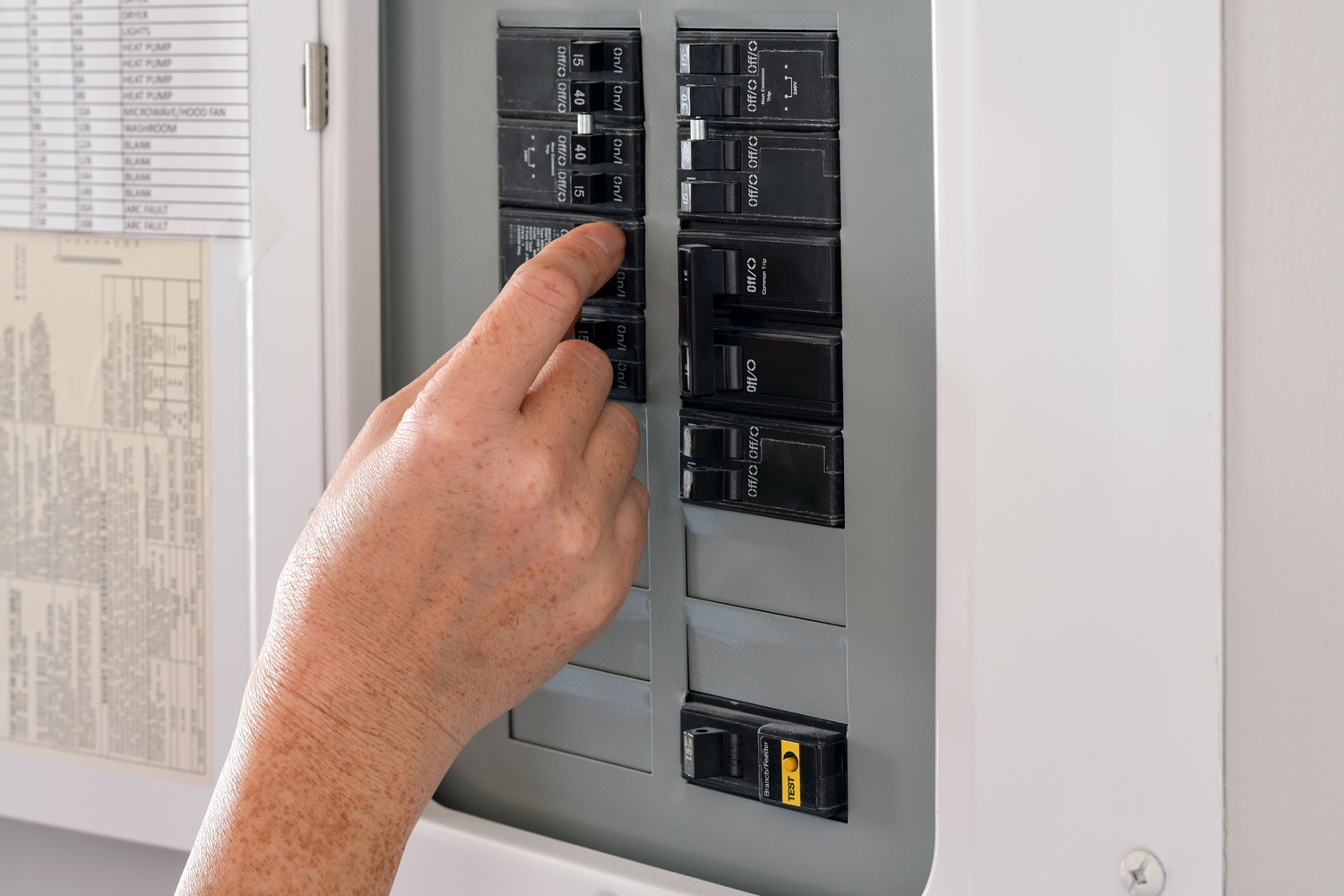
Your electrical panel is the heart of your home’s electrical system, distributing power safely to every outlet, appliance, and device. But like any critical component, it doesn’t last forever. An outdated or overloaded panel can lead to inefficiency, safety risks, and even potential fire hazards. Knowing the warning signs and what steps to take can help you protect your home and avoid costly problems down the line.
Signs Your Electrical Panel May Be Outdated
One of the most common indicators of an outdated panel is frequent circuit breaker trips. If your breakers are constantly shutting off power, it may be a sign that your panel can’t handle your household’s electrical demand. Modern homes use significantly more electricity than homes built even 20-30 years ago.
Another red flag is flickering or dimming lights, especially when you turn on large appliances like an HVAC system or microwave. This suggests your panel may be struggling to distribute power evenly.
You should also pay attention to burning smells, buzzing sounds, or warmth coming from the panel. These are serious warning signs that could indicate faulty wiring or overloaded circuits and should be addressed immediately.
If your home still uses a fuse box instead of a circuit breaker panel, it’s likely outdated. Fuse boxes were standard decades ago, but are not designed for today’s electrical needs and can pose safety risks.
Lastly, take note of your panel’s age and brand. Panels over 25-30 years old may not meet current safety standards. Certain older panels are also known for reliability issues and may require replacement even if they appear to be functioning.
Why an Outdated Panel Is a Problem
An outdated panel isn’t just inconvenient–it can be dangerous. Electrical systems that are pushed beyond their limits can overheat, increasing the risk of electrical fires. In addition, older panels often lack the capacity needed for modern upgrades like electric vehicle chargers, home offices, or new appliances.
Insurance companies and home inspectors may also flag outdated panels as a concern, which can complicate home sales or increase premiums.
What to Do Next
If you suspect your electrical panel is outdated, the first step is to schedule an inspection with a licensed electrician. A professional can assess your panel’s condition, capacity, and overall safety.
Depending on the findings, you may need a panel upgrade or replacement. This typically involves installing a new panel with higher amperage (commonly 100, 150, or 200 amps) to better support your home’s electrical load.
Upgrading your panel also creates opportunities to improve safety and efficiency. Modern panels can accommodate surge protection, dedicated circuits for high-demand appliances, and future upgrades like solar systems or EV chargers.
It’s important not to attempt any DIY fixes when it comes to your electrical panel. Working with electricity is dangerous and requires proper training, tools, and code compliance.
Stay Ahead of Electrical Issues
Your electrical panel plays a crucial role in keeping your home safe and powered efficiently. If you’ve noticed warning signs or know your system is aging, taking action sooner rather than later can prevent bigger issues in the future. A professional evaluation and timely upgrade can give you peace of mind and ensure your home is ready for today’s electrical demands.
Electrical Contracting Services from Highland Park Electric
For all your residential and commercial electrical needs, having a reliable, experienced team makes all the difference. From panel upgrades and lighting installations to EV charger setups and ongoing maintenance, the quality workmanship from Highland Park Electric ensures your home or business runs safely and efficiently. Whether you’re planning an upgrade or need expert troubleshooting, we can help.