
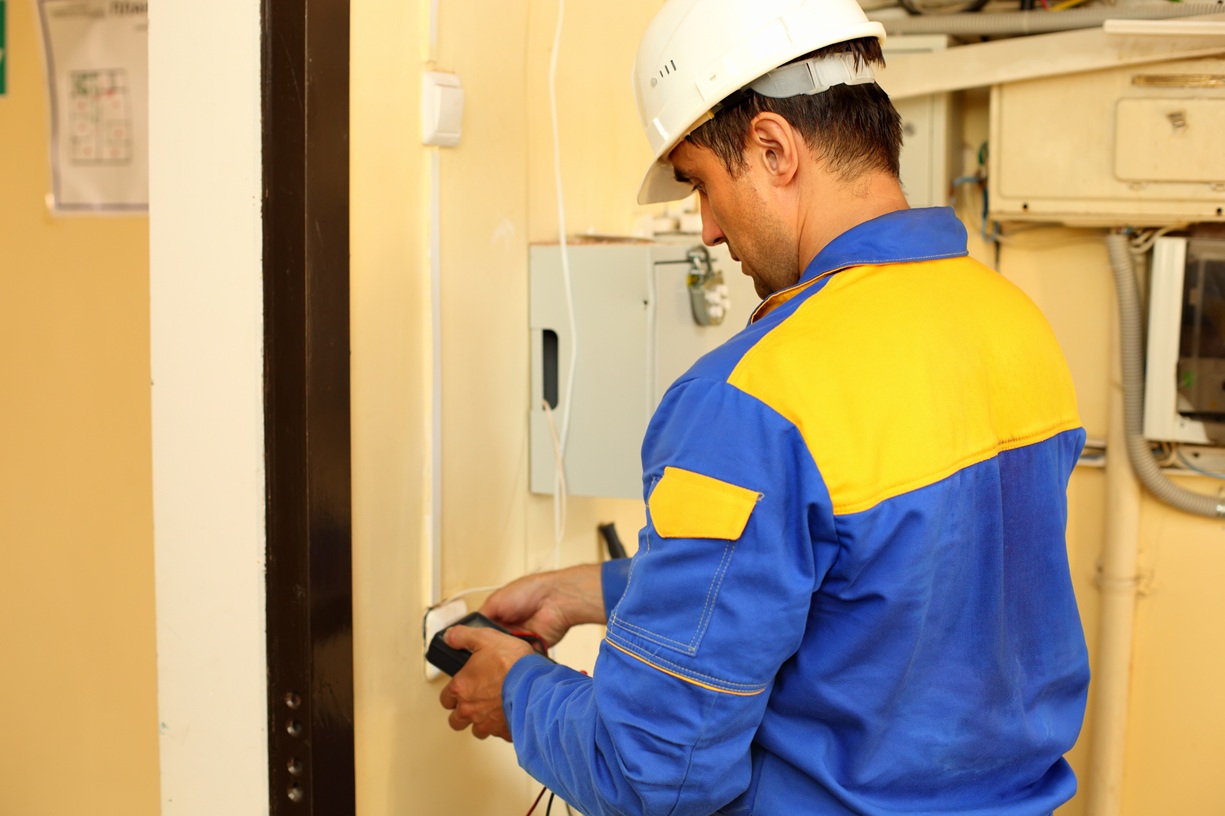
Your home’s electrical system works behind the scenes every day, powering everything from lighting and appliances to HVAC equipment and electronics. Because most wiring is hidden inside walls, however, electrical problems can develop without being immediately obvious.
Regular electrical inspections can identify potential hazards, aging components, overloaded circuits, and other concerns before they turn into larger problems. But how often should homeowners actually schedule one? Let’s take a closer look.
There Is No Single Schedule for Every Home
Unlike changing an HVAC filter or testing a smoke detector, electrical inspections do not necessarily follow one universal schedule. The appropriate timing depends on the age of the home, its electrical system, recent improvements, and whether warning signs are present.
The Electrical Safety Foundation International recommends having an electrical system inspected when a home is 40 years old or older. It also recommends inspections when purchasing a previously owned home, after major renovations, or when major new appliances have been added to a home that is more than 10 years old.
Even if your home does not fall into one of these categories, periodic inspections can provide valuable information about the condition of its electrical system.
Older Homes May Need More Attention
Older homes deserve particular attention because their electrical systems may have been designed for much lower electricity demands.
Today’s households may simultaneously operate central air conditioning, computers, televisions, kitchen appliances, EV chargers, space heaters, and numerous other devices. An electrical system installed decades ago may have been modified multiple times to accommodate these changing needs.
An inspection can identify outdated equipment, deteriorating wiring, improperly completed modifications, and circuits that may no longer be appropriate for household demand.
Schedule an Inspection After Major Changes
Home renovations can significantly alter electrical demands. Kitchen remodels, finished basements, room additions, home offices, workshops, and other projects may involve adding outlets, lighting, circuits, or major equipment.
Installing high-demand equipment can also be a reason to evaluate the electrical system. Examples include electric vehicle chargers, hot tubs, electric ranges, HVAC equipment, and other large appliances.
An inspection can help determine whether the panel, circuits, wiring, and related components are appropriate for the home’s updated electrical needs.
Do Not Wait If You Notice Warning Signs
The calendar should not determine when you address an obvious electrical problem. Some symptoms justify having the system evaluated regardless of when the last inspection occurred.
Common warning signs include frequently tripping circuit breakers, flickering or dimming lights, buzzing or sizzling noises, sparks, unusually warm outlets, discolored receptacles, burning odors, and electrical shocks or tingling sensations. ESFI identifies these as potential signs of electrical hazards that should be inspected by a qualified electrician.
Repeatedly resetting a breaker or ignoring a warm outlet does not address the underlying problem.
Consider an Inspection When Buying a Home
A standard home inspection can provide useful information about a property’s electrical system, but purchasing a previously owned home is also an important opportunity to consider a dedicated electrical evaluation.
Previous owners may have completed renovations, added circuits, replaced fixtures, or performed DIY electrical work. A professional electrical inspection can provide a closer look at wiring, outlets, switches, circuits, panels, and safety devices.
Make Electrical Safety Part of Home Maintenance
Electrical systems are easy to forget because many components remain out of sight. That makes preventive attention especially important.
Rather than relying exclusively on a rigid inspection schedule, homeowners should consider the age and history of their property, changes in electrical demand, and any unusual symptoms. Regular professional evaluation, particularly as a home ages or undergoes major changes, can help identify potential problems early and keep its electrical system operating safely.
Electrical Contracting Services from Highland Park Electric
For all your residential and commercial electrical needs, having a reliable, experienced team makes all the difference. From panel upgrades and lighting installations to EV charger setups and ongoing maintenance, the quality workmanship from Highland Park Electric ensures your home or business runs safely and efficiently. Whether you’re planning an upgrade or need expert troubleshooting, we can help.