
Lighting does much more than brighten a room. It affects comfort, energy consumption, security, and even the overall functionality of a home. While traditional lighting has served homeowners well for decades, smart lighting systems are becoming increasingly popular thanks to their convenience and advanced features.
Understanding the differences between smart lighting and traditional lighting can help homeowners decide which option best fits their needs. Let’s take a closer look.
What Is Traditional Lighting?
Traditional lighting refers to standard light fixtures controlled by manual wall switches. These systems typically use incandescent, halogen, CFL, or LED bulbs that turn on and off with a physical switch. While modern LED bulbs have significantly improved the energy efficiency of traditional lighting, the overall functionality remains relatively simple.
Traditional lighting offers several advantages:
- Straightforward installation
- Lower upfront cost
- Reliable operation without internet or wireless connectivity
- Minimal maintenance beyond replacing bulbs when needed
For many homeowners, traditional lighting continues to be an effective and dependable solution.
What Is Smart Lighting?
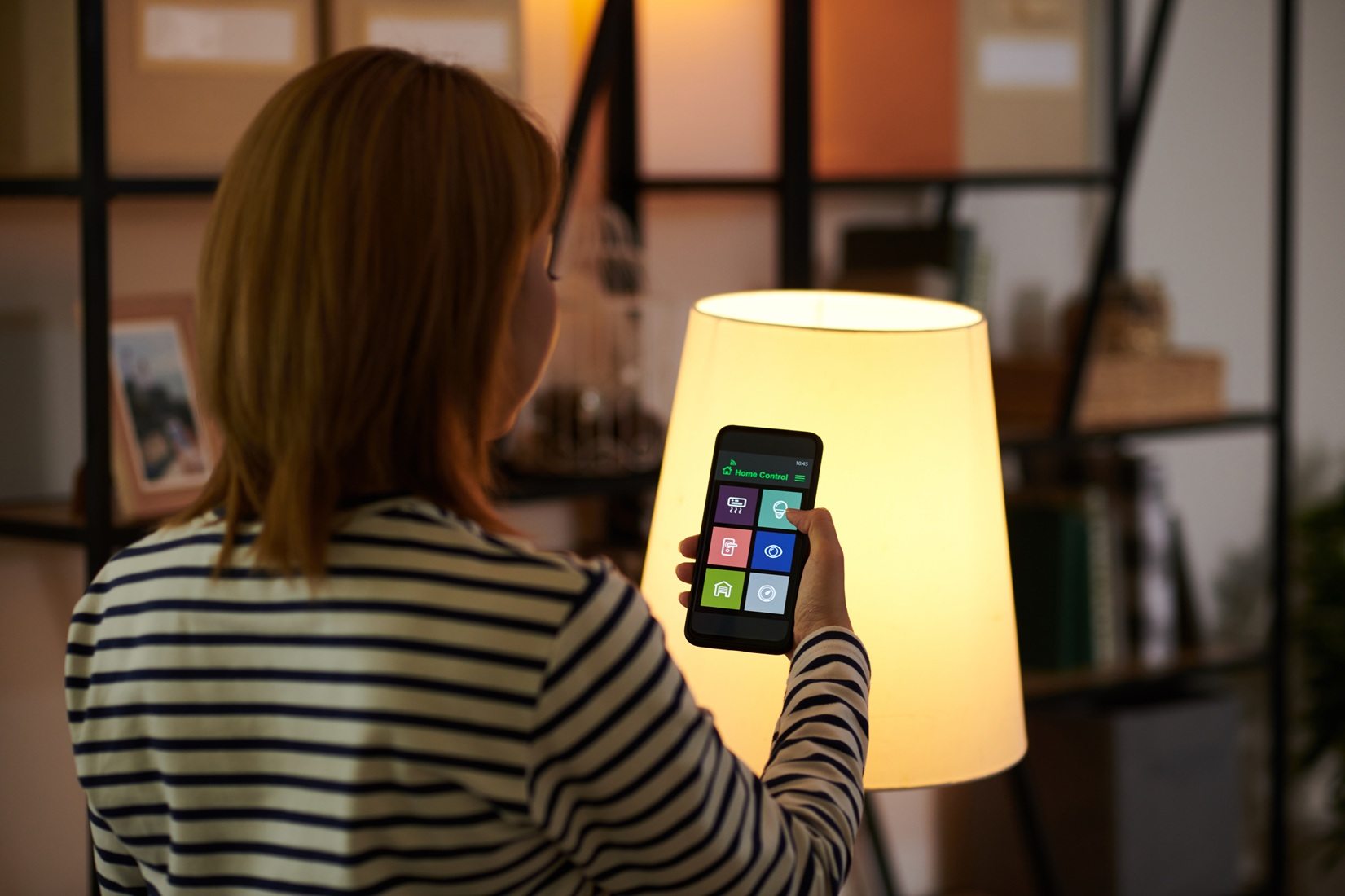
Smart lighting uses internet-connected or wireless-enabled bulbs, switches, dimmers, or fixtures that can be controlled through a smartphone app, voice assistant, or automated schedule. Depending on the system, homeowners can adjust brightness, color temperature, or even the color of the lights from virtually anywhere.
Many smart lighting systems integrate with popular smart home platforms, allowing users to create customized lighting scenes or automate lights based on time of day, occupancy, or other household activities.
Energy Efficiency Comparison
One of the biggest reasons homeowners consider smart lighting is energy savings.
Both traditional LED bulbs and smart LED bulbs consume far less electricity than older incandescent bulbs. However, smart lighting can reduce energy use even further by automatically turning lights off when rooms are empty or scheduling lights to operate only when needed.
Features such as occupancy sensors, daylight sensors, and programmable schedules help eliminate unnecessary energy usage without requiring homeowners to remember to flip a switch.
Convenience and Control
Traditional lighting requires someone to physically operate each switch. While simple, this can become inconvenient in larger homes or when homeowners are away.
Smart lighting offers features such as:
- Voice control through compatible smart assistants
- Remote operation using mobile apps
- Scheduled on and off times
- Adjustable brightness levels
- Custom lighting scenes for entertaining, reading, or relaxing
These capabilities provide greater flexibility while making everyday routines more convenient.
Home Security Benefits
Smart lighting can also improve home security.
When homeowners are away on vacation or working late, lights can automatically turn on and off at realistic times, making the home appear occupied. Motion-triggered exterior lights can also deter unwanted visitors while improving visibility around entryways and driveways.
Traditional lighting can accomplish some of these goals with mechanical timers, but smart systems offer much greater flexibility and customization.
Installation Considerations
Installing smart lighting can range from replacing individual bulbs to upgrading wall switches or integrating an entire home’s electrical system. Some products are designed for simple DIY installation, while others may require professional electrical work, especially when replacing switches, installing dimmers, or expanding smart home capabilities.
Traditional lighting systems are generally simpler to install and maintain, particularly during basic fixture replacements.
Which Option Is Right for You?
Choosing between smart lighting and traditional lighting depends on your goals.
Homeowners seeking simplicity, lower initial costs, and dependable operation may be perfectly satisfied with traditional LED lighting. Those looking for greater convenience, automation, enhanced security, and long-term energy savings may find smart lighting to be a worthwhile investment.
As smart home technology continues to evolve, smart lighting offers an increasingly practical way to improve comfort, efficiency, and control while making everyday living just a little bit easier.
Electrical Contracting Services from Highland Park Electric
For all your residential and commercial electrical needs, having a reliable, experienced team makes all the difference. From panel upgrades and lighting installations to EV charger setups and ongoing maintenance, the quality workmanship from Highland Park Electric ensures your home or business runs safely and efficiently. Whether you’re planning an upgrade or need expert troubleshooting, we can help.