
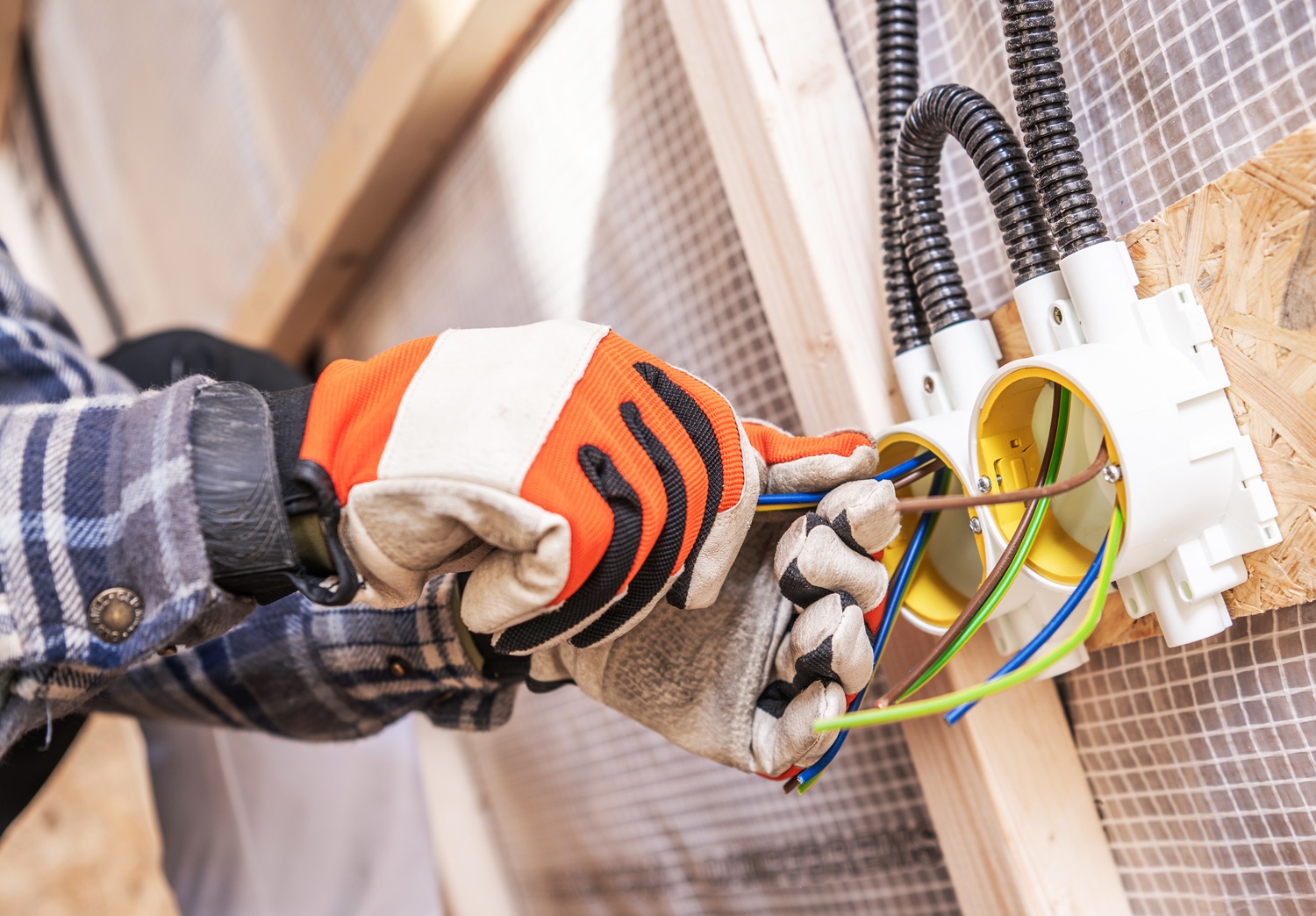
Electrical problems can be frustrating, inconvenient, and sometimes dangerous. Whether you are dealing with flickering lights, frequently tripped breakers, dead outlets, or unexplained power loss, identifying the root cause is not always straightforward. Many electrical issues originate behind walls, within panels, or in areas that homeowners cannot safely access on their own.
That is where professional electrical troubleshooting comes in. Understanding what happens during a troubleshooting visit can help homeowners feel more confident and prepared when an electrician arrives. Let’s take a look at some things every homeowner should know for a visit from an electrician.
Start with a Detailed Discussion
Every troubleshooting appointment begins with gathering information. An experienced electrician will ask questions about the problem, including when it started, how often it occurs, and what parts of the home are affected.
You may be asked questions such as:
- Do the lights flicker constantly or only occasionally?
- Which outlets or fixtures are affected?
- Have any recent renovations or appliance installations occurred?
- Does the issue happen during certain times of day?
- Are breakers tripping repeatedly?
The more details you can provide, the easier it is to narrow down potential causes and begin the diagnostic process.
Conducting a Visual Inspection
After discussing the symptoms, the electrician will perform a visual inspection of the affected areas and the electrical system itself.
This inspection may include:
- Electrical panels and breakers
- Outlets and switches
- Light fixtures
- GFCI outlets
- Wiring connections
- Electrical service equipment
In many cases, visible signs such as discoloration, loose connections, corrosion, damaged wiring, or outdated components can immediately point to the source of the problem.
Testing Electrical Components
Many electrical issues require specialized testing equipment to accurately diagnose. Electricians use professional tools that measure voltage, current, continuity, grounding, and circuit performance.
Depending on the issue, testing may involve:
- Checking voltage levels at outlets and switches
- Inspecting breaker operation
- Verifying proper grounding
- Testing GFCI protection
- Evaluating circuit loads
- Identifying wiring faults
These tests allow electricians to pinpoint hidden issues that would otherwise be difficult or impossible to detect.
Identifying the Root Cause
One of the most important parts of troubleshooting is distinguishing symptoms from causes.
For example, a flickering light may seem like a fixture problem, but the real cause could be:
- A loose wire connection
- An overloaded circuit
- A failing breaker
- Service panel issues
- Utility power fluctuations
Similarly, a dead outlet may result from a tripped GFCI outlet elsewhere in the home, damaged wiring, or a failed receptacle.
Professional troubleshooting focuses on finding the actual source of the issue rather than simply addressing the visible symptoms.
Receiving Recommendations and Repair Options
Once the problem has been identified, the electrician will explain the findings and discuss available solutions.
Depending on the situation, recommendations may include:
- Replacing damaged outlets or switches
- Tightening loose wiring connections
- Installing new circuit breakers
- Upgrading outdated electrical components
- Repairing damaged wiring
- Rebalancing overloaded circuits
- Performing panel upgrades
A qualified electrician should clearly explain the issue, why it occurred, and what repairs are necessary to restore safety and reliability.
Prioritizing Safety Throughout the Process
Electrical troubleshooting is not only about restoring power or fixing an inconvenience. It is also about identifying potential hazards before they become serious problems.
Issues such as overheated wiring, improper grounding, deteriorated connections, and overloaded circuits can increase the risk of electrical fires and equipment damage if left unresolved.
A professional troubleshooting visit provides homeowners with peace of mind by ensuring their electrical system is operating safely and efficiently.
Whether the problem is minor or complex, having an experienced electrician diagnose and repair the issue can save time, prevent unnecessary expenses, and help keep your home’s electrical system functioning reliably for years to come.
Electrical Contracting Services from Highland Park Electric
For all your residential and commercial electrical needs, having a reliable, experienced team makes all the difference. From panel upgrades and lighting installations to EV charger setups and ongoing maintenance, the quality workmanship from Highland Park Electric ensures your home or business runs safely and efficiently. Whether you’re planning an upgrade or need expert troubleshooting, we can help.